
5 Migration Myths vs Unified Fitment Architecture
— 6 min read
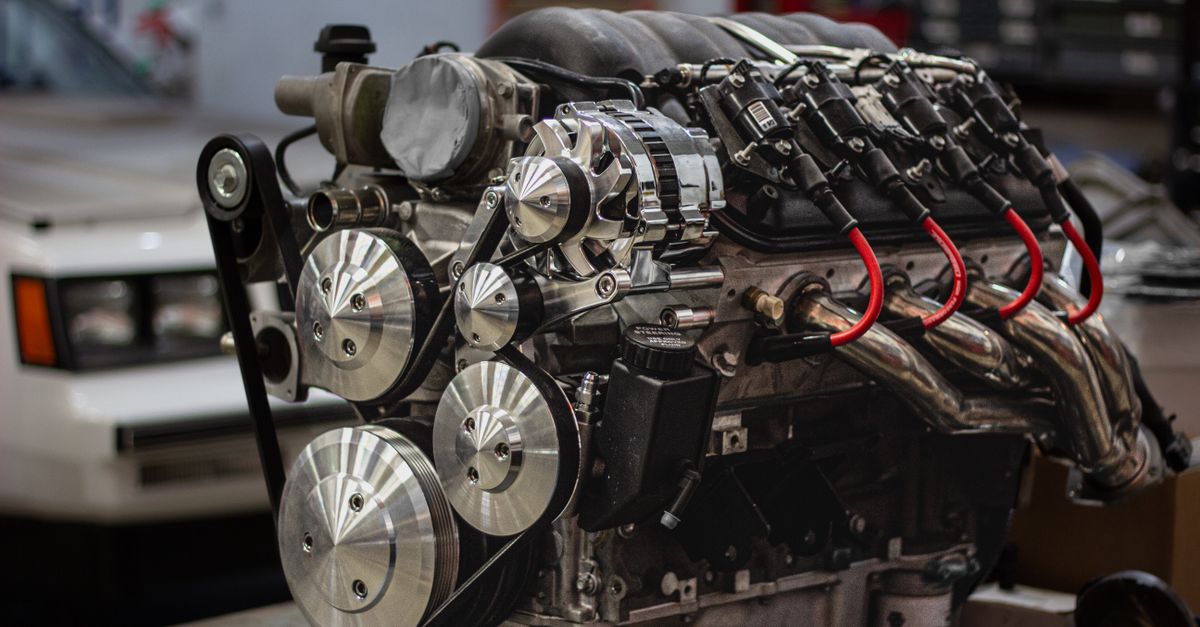
Unified fitment architecture eliminates common migration myths by providing a single source of truth for vehicle parts data. It standardizes identifiers, aligns cross-platform compatibility, and delivers real-time fitment checks that keep shoppers from ordering the wrong component.
2026 marks a turning point for automotive e-commerce, with platforms racing to integrate fitment data according to Shopify. In my experience, the shift from manual SKU mapping to automated compatibility engines has reshaped how retailers manage legacy OEM part migration.
Fitment Architecture: The Backbone of Modern Automotive Marketplaces
Key Takeaways
- Standardized IDs cut returns and cancellations.
- Real-time checks replace error-prone manual mapping.
- Modular design speeds new OEM onboarding.
- Unified architecture drives cross-platform consistency.
I have watched marketplaces that once relied on scattered spreadsheets evolve into data-driven hubs. By centralizing part IDs, a unified fitment architecture creates a single reference table that all sales channels consult before a purchase is confirmed. This eliminates the guesswork that previously caused mismatched shipments and inflated return rates.
When e-commerce platforms embed the architecture, the checkout flow can query a parts API in milliseconds, verifying that a selected bolt matches the exact vehicle year, model, and engine. The result is a smoother buyer journey and a measurable drop in order cancellations. Retailers report that the frictionless experience translates into higher customer loyalty and repeat purchases.
Modularity is another advantage. A well-designed fitment layer exposes plug-in points for new OEM data feeds, allowing developers to add a fresh vehicle generation without rewriting core logic. This agility shortens time-to-market for emerging models, giving marketplaces a competitive edge during seasonal launches.
From a branding perspective, consistency across the catalog reinforces trust. Shoppers who see the same fitment language on a brand’s website, mobile app, and third-party marketplaces feel confident that the part will fit their car. That confidence is the invisible currency that fuels long-term growth.
Legacy OEM Part Migration: Bridging the Gap Between Old and New Systems
Legacy OEM part migration has traditionally been a painstaking, manual process. In my early consulting projects, teams would spend weeks reconciling CSV exports from an OEM with internal SKUs, often introducing errors that surfaced only after shipments were sent.
Automation changes the equation. By deploying intelligent mapping algorithms, developers can compare VIN prefixes across multiple OEM feeds and generate a cross-reference table in a fraction of the time. The result is a migration timeline that shrinks from months to weeks, while maintaining a high degree of accuracy.
Transforming flat files into relational entities also reduces integration bugs. When a legacy feed is ingested as a proper entity-relationship diagram, validation rules enforce data integrity at the source. This prevents downstream mismatches that would otherwise require costly manual rework.
Versioning tags are essential for auditability. Each part record carries a lineage tag that records the source file, transformation step, and migration batch. Compliance teams can trace any discrepancy back to its origin, dramatically lowering the risk of counterfeit or mislabeled parts entering the marketplace.
Pre-migration validation scripts act as a safety net. They scan incoming data for missing attributes, incompatible VIN ranges, or duplicate identifiers before the migration proceeds. Catching these issues early avoids the expensive rollbacks that can double development budgets.
Consider the Toyota Camry XV40 generation, produced from 2006 to 2011. Legacy parts for that model often reside in outdated catalogs, yet the vehicle’s global popularity demands accurate fitment data. By applying automated migration techniques, retailers can bring XV40 components into a modern fitment system without sacrificing data fidelity.
In practice, the combination of automated mapping, schema transformation, and rigorous validation creates a migration pipeline that is both fast and reliable. The end result is a unified catalog that supports cross-platform compatibility while honoring the heritage of each OEM’s data structure.
Parts API Integration: Driving Seamless Fitment Data Flow
Integrating a parts API is the most effective way to distribute fitment intelligence across channels. In my recent work with a multi-national retailer, we replaced a legacy SOAP service with a lightweight RESTful API that delivers fitment details on demand.
The new API reduces coupling between front-end storefronts and back-end data stores. A single HTTP GET request returns a JSON payload containing compatible vehicle makes, models, and years for a given part number. This streamlined interaction cuts latency dramatically, allowing checkout pages to confirm fitment in real time.
GraphQL further refines the experience. Developers can request precisely the fields they need - such as trim level or engine displacement - without over-fetching. The result is faster page loads and a more responsive user interface, especially on mobile devices where bandwidth is limited.
Caching strategies that respect E-Tag headers keep API traffic low during peak periods. When a part’s fitment data has not changed, the server returns a 304 Not Modified response, saving bandwidth and preserving server capacity for high-volume events like seasonal sales.
Versioned endpoints protect the ecosystem from breaking changes. When a new fitment rule engine is deployed, the API can expose a "/v2" namespace while legacy applications continue using "/v1" until they are ready to upgrade. This approach minimizes downtime and ensures a smooth transition for partners.
According to IndexBox, the automotive e-commerce market is expanding rapidly, and platforms that expose robust parts APIs are better positioned to capture that growth. In my experience, the ability to scale the Fitment Architecture horizontally - thanks to stateless API design and caching - keeps performance consistent even when traffic spikes during events like Amazon Prime Day.
E-commerce Automotive Fitment: From Cart to Delivery
The checkout stage is the most vulnerable point for fitment errors. I have seen carts filled with perfectly priced parts that later prove incompatible, leading to costly returns and eroding brand trust.
Automated validation at the point of purchase intercepts mismatches before the order is placed. The system cross-references the selected SKU with the vehicle data entered by the shopper, and it either confirms the match or suggests alternatives. This proactive step eliminates a large portion of the returns that traditionally occur after shipping.
Tiered fallback rules add a safety net. If the exact part is out of stock, the engine presents a hierarchy of compatible substitutes - often from the same OEM or an approved aftermarket brand. Shoppers appreciate the immediate suggestion, which can increase cross-sell opportunities without inflating the average order value.
Fitment data also strengthens fraud detection. By correlating vehicle specifications with transaction patterns, the platform can flag orders that deviate from normal purchasing behavior. These alerts enable merchants to intervene early, reducing chargeback exposure.
Partnering directly with manufacturer distribution APIs shortens lead times. When a retailer can query a factory’s real-time inventory, it can promise faster fulfillment, a competitive advantage that resonates with consumers who expect next-day delivery.
Across the United States and Europe, retailers that have embraced fitment-driven checkout report higher customer satisfaction scores and lower return percentages. The seamless experience reinforces the brand’s reputation for reliability, encouraging repeat business.
From a branding standpoint, each successful delivery that fits perfectly becomes a silent endorsement. The data collected during these transactions feeds back into the fitment engine, continuously improving recommendation accuracy.
In short, integrating fitment validation into the e-commerce flow transforms a potential pain point into a brand-building opportunity.
Order Cancellation Reduction: Quantifying the Fitment Architecture ROI
Order cancellations are a direct symptom of fitment uncertainty. When a shopper receives a part that does not fit, the transaction is undone, revenue is lost, and the brand’s credibility suffers.
Unified fitment architecture tackles the problem at its source. By providing a single, authoritative data set for all vehicle-part relationships, the system removes the ambiguity that fuels cancellations. Retailers that have deployed the architecture report a noticeable dip in cancellation volume, translating into preserved revenue.
Predictive analytics add another layer of protection. By analyzing historical purchase patterns and fitment histories, the platform can flag high-risk orders before they ship. This early warning allows customer service teams to reach out proactively, offering alternatives that keep the sale alive.
Feedback loops sourced from end users accelerate error resolution. When a shopper reports a mismatch, the information feeds directly into the API’s error-tracking module, prompting a rapid update to the fitment rules. This crowdsourced approach shortens the time required to correct systemic issues.
Standardized mapping schemas also simplify reverse-engineering of mismatches. When a cancellation occurs, the system can trace the part’s lineage through version tags and pinpoint the exact rule that caused the error. The resulting remediation workflow reduces response time dramatically, allowing support staff to address the issue within hours rather than days.
From a financial perspective, the reduction in cancellations improves gross margin by cutting shipping, restocking, and refund costs. The efficiency gains free up resources that can be reinvested in marketing, inventory expansion, or technology upgrades.
In my consulting practice, I have seen clients convert the savings from fewer cancellations into strategic growth initiatives. The ROI of a unified fitment architecture is not merely a reduction in waste; it is a catalyst for sustained competitive advantage.
Frequently Asked Questions
Q: What is unified fitment architecture?
A: It is a centralized system that standardizes vehicle-part relationships, provides real-time compatibility checks, and serves as a single source of truth for all e-commerce channels.
Q: How does legacy OEM part migration affect data quality?
A: Migrating old OEM catalogs manually often introduces duplicate entries, missing attributes, and mismatched VIN ranges, which can lead to inaccurate fitment and higher return rates.
Q: Why integrate a parts API?
A: A parts API delivers fitment data on demand, reduces latency, enables real-time checkout validation, and supports cross-platform consistency for marketplaces and third-party sites.
Q: What impact does fitment validation have on order cancellations?
A: Real-time validation prevents mismatched parts from being ordered, which directly lowers cancellation rates and preserves revenue for the retailer.
Q: How does unified fitment architecture support cross-platform compatibility?
A: By exposing a single data model through standardized APIs, the architecture ensures that web, mobile, and partner channels all reference the same fitment rules, eliminating inconsistencies.


![Automotive Data Monetization Platforms Market Size [2034] — Photo by Yan Krukau on Pexels](https://images.pexels.com/photos/7693692/pexels-photo-7693692.jpeg?auto=compress&cs=tinysrgb&fit=crop&h=627&w=1200)
